- Originally sent on July 2, 2026 -
When Patients Tell Us They’re Scared, We Can Help Them Better
When I was in Peru, I went on a night boat through the Amazon.
And I’ll be honest — I was scared, REALLY SCARED.
Not a little bit nervous. Properly scared.
Because yes, I am scared of the dark.
What helped me most in that moment was not pretending I was fine. It was speaking up and telling the people on my tour:
“The dark scares me.”
The best part was what happened after that.
Because my tour mates knew I was scared, they knew how to support me. They checked in on me. They asked if I was okay. They asked what I needed from them.
I spoke up because I felt safe with them.
And it got me thinking about dental patients.
Fear is easier to manage when people feel safe enough to say it out loud.
In dentistry, we often see patients who are scared.
Scared of the needle.
Scared of pain.
Scared of the sound.
Scared of not being in control.
Scared because of a previous bad experience.
But not every patient will say, “I’m scared.”
Some will go quiet.
Some will joke.
Some will tense up.
Some will apologise.
Some will ask lots of questions.
Some will grip the chair.
Some will cancel before they even get there.
As dental assistants, we are often close enough to notice these signs.
And when we know a patient is scared, we can act on it.
When we know what someone needs, we can support them better
On that boat in the Amazon, my tour mates did not have to guess what was going on with me.
They knew.
And because they knew, they could help.
It is the same in dentistry.
When a patient tells us they are nervous, we have an opportunity to respond with care instead of brushing past it.
And when a patient does not tell us, we can still pay attention.
We can notice their body language.
We can slow the room down.
We can keep our voice calm.
We can help them feel in control.
We can make sure they know they can raise their hand.
Calm is part of clinical care
The role of the dental assistant is not just suction, passing instruments and setting up trays.
It is also reading the room.
Reading the patient.
Supporting the clinician.
And helping create an environment where patients feel safe enough to speak up.
Because when patients feel safe, they are more likely to tell us what they need.
And when we know what they need, we can care for them better.
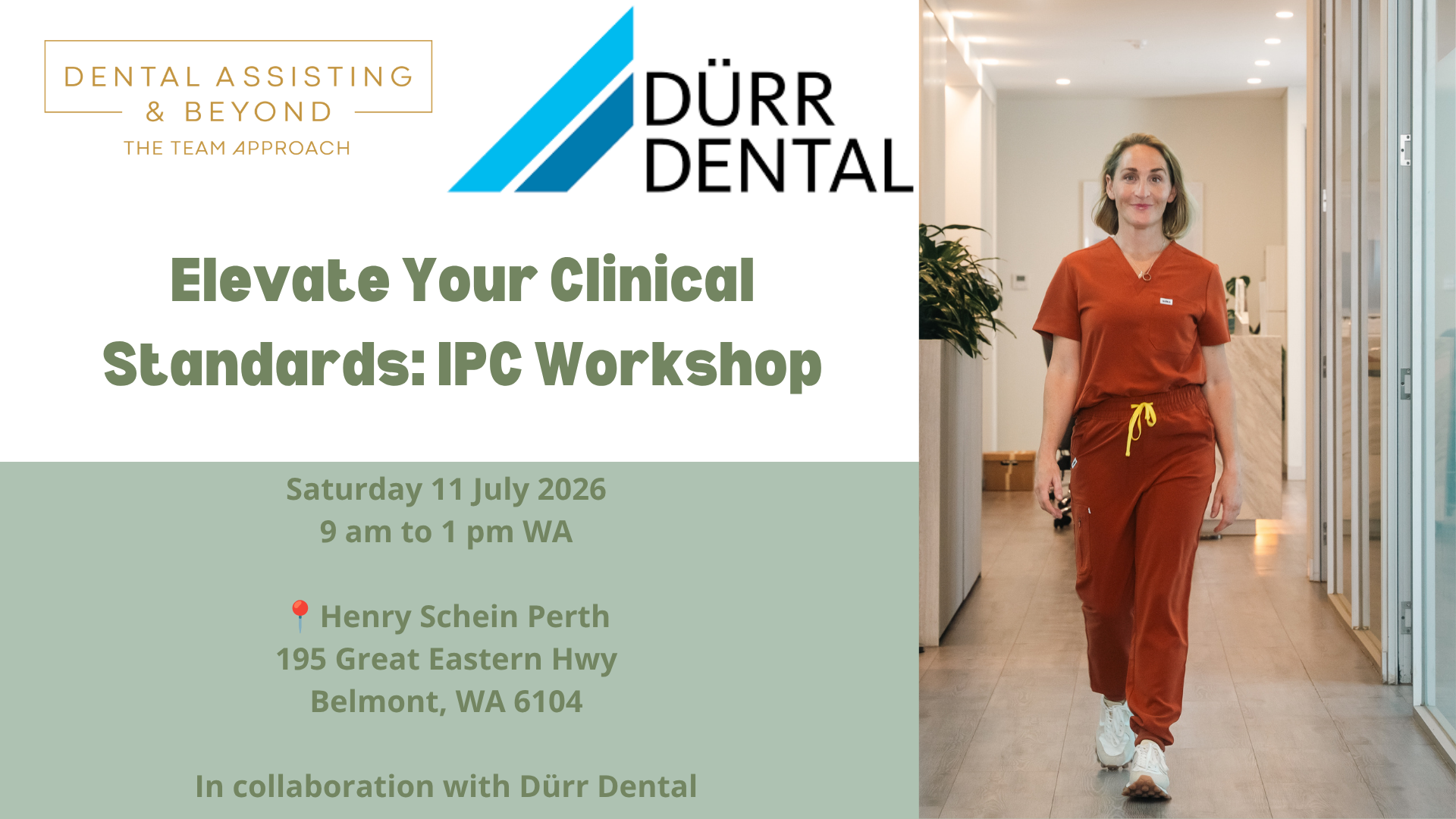
A little announcement from DAB
Our EOFY offer is still available.
After a lot of thought, I’ve decided to keep the DAB Online Practice Academy at $1,000 per clinic.
This was not a quick decision.
At Dental Assisting & Beyond, I truly believe that every member of the dental team deserves access to quality learning — whether that is delivered in person, online, or through ongoing team development.
Not every practice can commit to in-person training straight away.
Not every team member can travel to a course.
Not every clinic has the budget for a full training program.
But every dental assistant deserves the opportunity to keep learning, build confidence, and feel supported in their role.
So, for that reason, the DAB Online Practice Academy will remain $1,000 per clinic.
This gives your team access to practical, real-world DA training that can be used for onboarding, upskilling, refreshing knowledge, and supporting the whole practice.
And for our DAB VIP practices, don’t worry — we are also creating something new for you and more personal.
The VIP experience will continue to evolve, with a separate program designed to provide deeper support, higher-level training, and more tailored development for practices wanting that next level of guidance.
DAB has always been about the team approach.
No dental assistant left behind.
No team member is forgotten.
And no practice having to choose between learning and affordability.
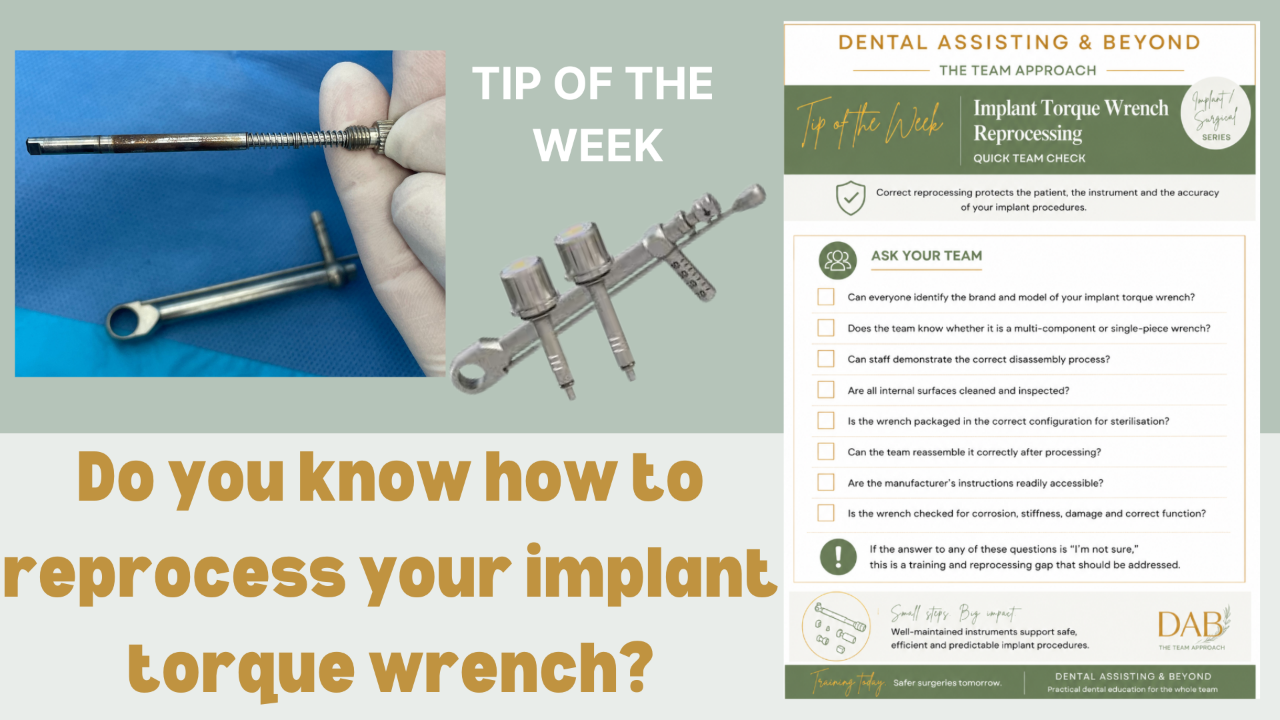
Tip of the Week
The full tip and this week's free cheat sheet are subscriber-only. It's free to join, sign up now.
The DA’s role before local anaesthetic
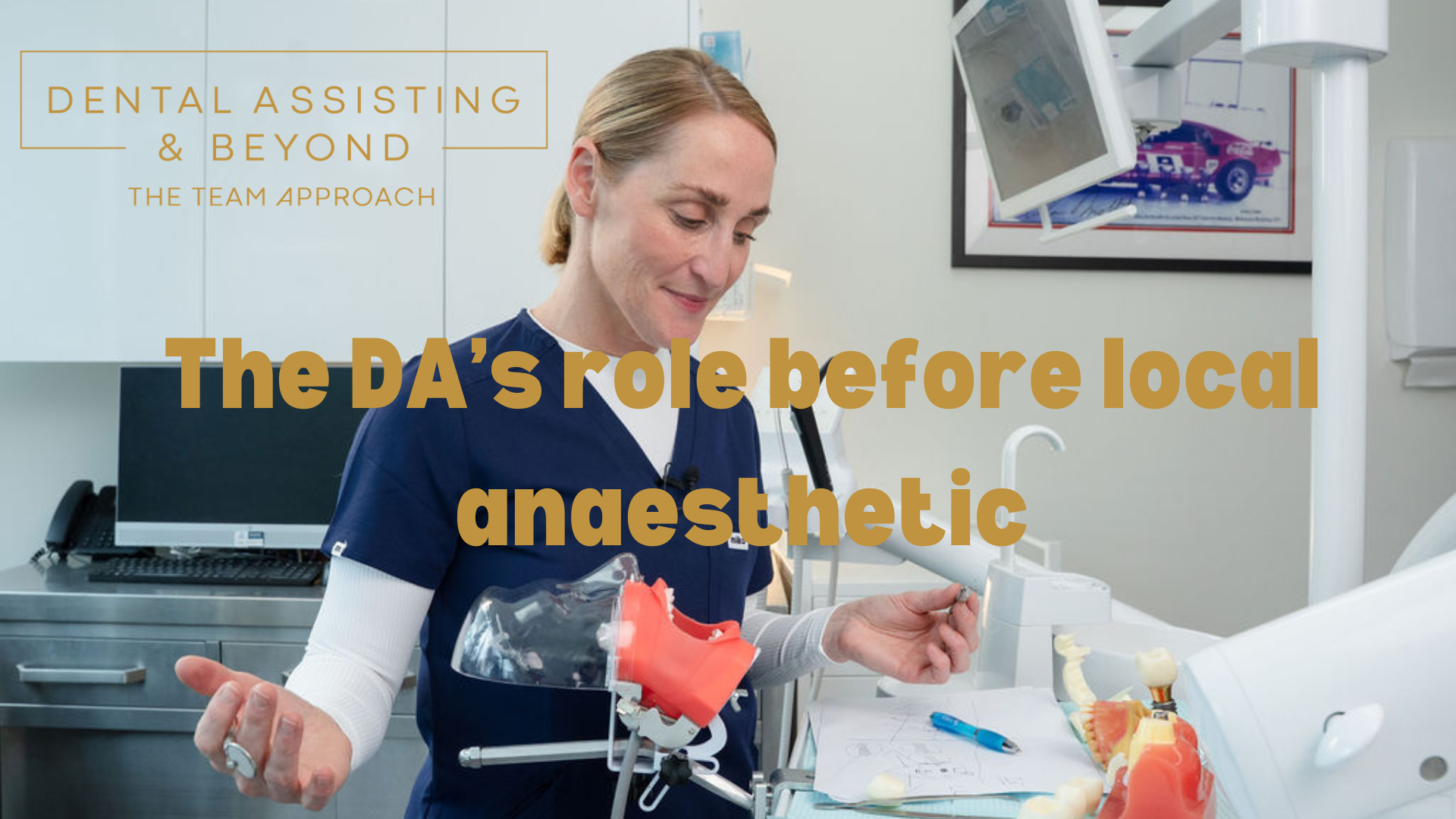
For many patients, the moment before local anaesthetic is the hardest part of the appointment.
This is where the dental assistant can make such a difference.
Not by taking over from the dentist.
But by helping the patient feel seen, heard and safe.
That might sound like: